Northern Pacific Railway Museum
Depot
The Depot
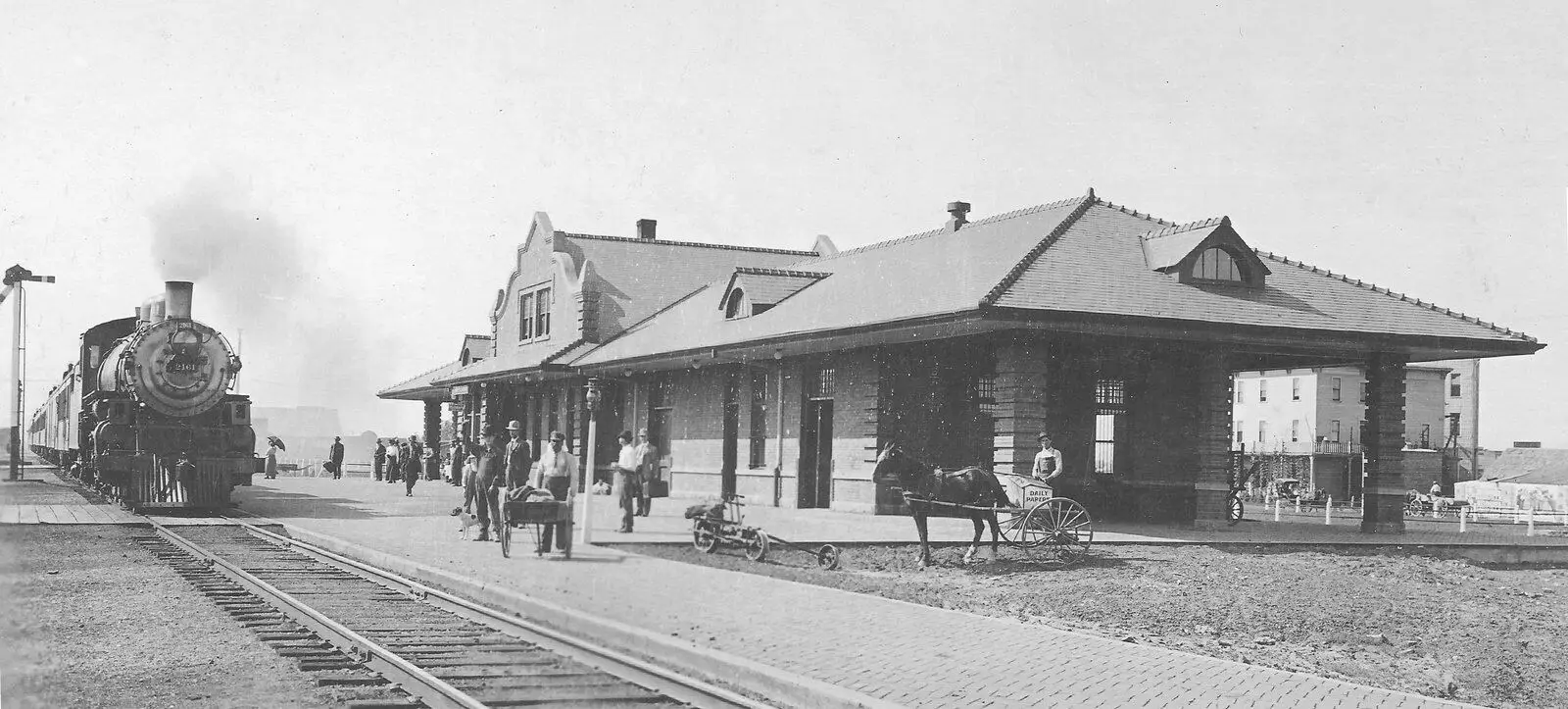
The present Toppenish railroad depot was built by the Northern Pacific Railway in 1911, replacing an earlier wooden depot. For nearly 50 years, it served as a transportation center and hub of commerce for the community. During this era, the railroad was one of the most effective ways to transport passengers and freight over long distances.
Following World War II, the growth of automobile, bus, and air travel changed the way people traveled. Passenger and freight traffic on the railroad declined, and passenger service from Toppenish was discontinued in 1961. After the Railway Express Agency ceased operations, the depot was no longer in use and was boarded up in 1981.
In 1989, a group of local rail enthusiasts approached the City of Toppenish and the railroad about leasing the depot for use as a railroad museum. The Yakima Valley Rail and Steam Museum Association was formed to pursue the project. With the city's assistance, the depot was leased in 1990.
Restoration began with the help of volunteers and the Fort Simcoe Job Corps. The Job Corps repaired the damaged plaster ceilings and walls, while volunteers replaced the electrical system and stripped years of paint from the depot's oak trim, refinishing it to restore its original appearance. Much of the depot's original furniture remained in the building and was also restored.
The museum held its grand opening on July 4, 1992. In 1993, the depot and adjacent freight house were purchased from Burlington Northern Railroad. In 2000, the museum division was renamed the Northern Pacific Railway Museum.
Today, the depot remains at the heart of the Museum. Its historic rooms retain many original features, furnishings, and architectural details, complemented by railroad artifacts donated or loaned by Museum members and collectors.
Waiting Room
The waiting room features displays of artifacts used aboard Northern Pacific trains, including period dinnerware and other passenger-service items. A Pullman sleeping compartment has also been recreated to illustrate what overnight rail travel was like.
The original telegraph room is another highlight of the depot. Much of its equipment remained when the building was acquired, and Museum members and collectors located additional pieces to complete the display. In several cases, the original mounting holes were still visible, helping identify where the equipment had once been installed.
The upstairs, originally used for railroad records and storage, now houses a model railroad exhibit.
Freight Room
The depot's freight room primarily handled baggage and light freight. Today, the room features a display of maintenance tools and equipment representative of the railroad's working era.
Among the equipment represented are track maintenance vehicles, commonly known as track cars or speeders. These lightweight vehicles allowed maintenance crews to travel along the railroad to reach their work sites and could be quickly removed from the track when a train approached. Early track cars were human-powered before small gasoline engines made motorized versions possible.
Railway Express Agency Room
The Railway Express Agency, or REA, provided an important connection between the railroad and local communities. The Toppenish depot served as a hub where REA shipments were transferred between trains, trucks, businesses, farms, and local customers.
For much of the 20th century, this system provided an efficient way to move packages and other goods over long distances. As highways improved and trucking became more efficient, however, shipments increasingly bypassed the railroad altogether. The Railway Express Agency struggled to compete with the changing transportation industry and ceased operations in 1975.
The REA room preserves this part of the depot's history and illustrates the important role express service once played in connecting Toppenish with the rest of the country.